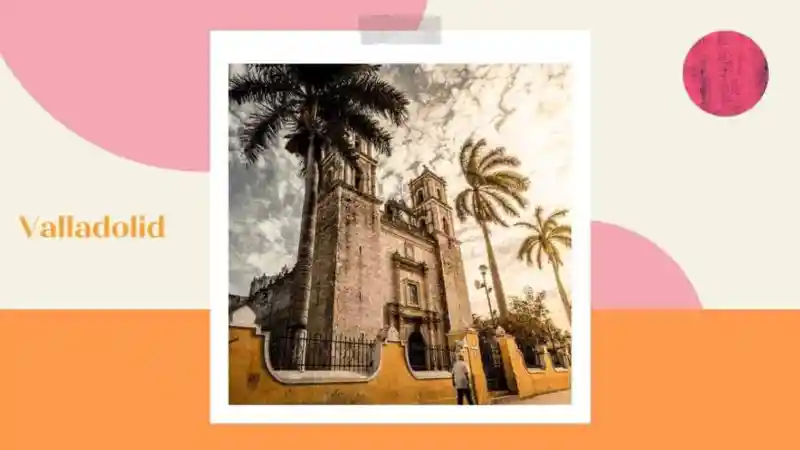
Short answer: Valladolid is divided into traditional neighbourhoods (barrios) including San Juan, Santa Ana, Santa Lucía, Candelaria, and Sisal — each with its own church, park, and distinct character rooted in colonial history.
Discover with us this beautiful places: Valladolid Yucatan and its traditional neighbourhoods.
Valladolid Yucatan is located strategically between Merida and Cancun, making it an ideal place to explore the Yucatan Peninsula. This quaint and colorful destination has many hidden gems to discover: archaeological sites, colonial mansions, and mysterious cenotes amidst the jungle.
Valladolid is a magical town, and one of the most prominent colonial cities in the state of Yucatan. Many tourists enjoy local attractions, such as gastronomy, music, color, and culture.
For those looking for beach vacations, the coast is only 90 minutes away, and you get to choose among Tulum, Playa del Carmen, and the Yucatecan coast. Staying in Valladolid means that you get to enjoy the Peninsula, for a fraction of the cost.
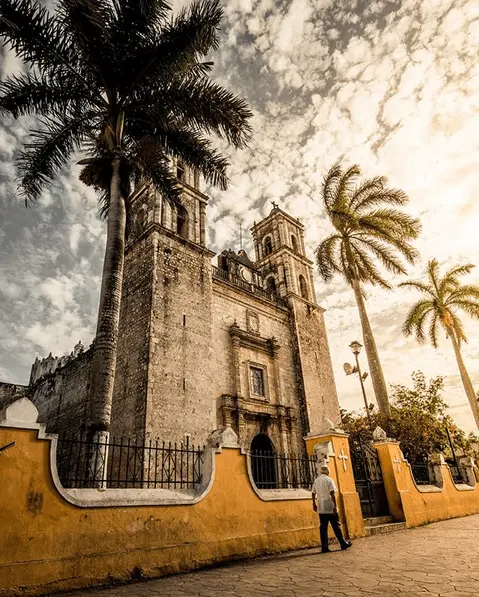 Undoubtedly, Valladolid, both day and night is a magical city full of culture and magic, and nothing is more traditional than the Barrios in the town. Explore with us some of the central neighborhoods in Valladolid.
Valladolid Yucatan and its traditional neighbourhoods
Downtown
In the center of the city is the church of San Servacio, initially built facing west. After a murder was committed inside of the church, the authorities decided to change it to its current location in 1706.
Downtown is a tradition that is full of shops, restaurants, street vendors, and everything that makes you feel the Mexican town real vibe. Something you cannot miss is visiting the Zaci Artisanal market and buy some regional crafts.
Photo Source
Barrio Sisal and Calzada de Los Frailes.
The district of Sisal was initially known as Sis-Ha (Fresh Water), a place in which the Franciscans built a convent in honor of San Bernardino de Siena from 1552 to 1560.
This convent has a beautiful cenote on their grounds, which was the source of fresh water for the monks, who grew their vegetables, taught their religion, and encouraged human settlement.
Some of the attractions in the area are shopping and fine dining on the Calzada de Los Frailes: a colorful street with restored colonial houses.
The best breakfast of Valladolid is served in Yerbabuena del Sisal, just across the Convent. Every night, there is a night show out on weekends at 8 pm in Spanish and 9 pm in English. Take a picture with the letters of «VALLADOLID»
Photo Source
To be continued…
FAQ
Valladolid has cultural events year-round. The most important celebrations are Carnival (Feb/March), Hanal Pixán (November), and the Candelaria Fair (Jan/Feb). The most pleasant weather is from November to March.
Yes, Valladolid is one of the safest cities in Mexico. It is a small, tight-knit community with very low crime rates.